From low Earth orbit to complete mission planning.
Ground Blue will add more detailed hardware models, real test comparisons, new environments, and collaborative mission tools.
A clear expansion of what users can test.
Ground Blue will expand one environment at a time, beginning with low Earth orbit and adding new capabilities as its models are tested and improved. Each new environment will be added only when Ground Blue can provide useful, testable results.
- 01
Low Earth Orbit Hardware Analysis
Describe a device and receive a focused analysis of how vacuum, radiation, thermal cycling, atomic oxygen, and microgravity could affect it.
- 02
Detailed Component and Material Models
Model specific materials, electronics, batteries, fluids, structures, and interfaces using the device geometry and mission conditions.
- 03
Real-World Testing and Comparison
Compare simulation results with published experiments and user test data, then show where the model matched, failed, or needs to change.
- 04
Additional Orbital Environments
Add medium Earth orbit, geostationary orbit, and cislunar profiles with configurable altitude, duration, orientation, and exposure.
- 05
Lunar Surface Conditions
Analyze hardware for lunar gravity, dust, vacuum, radiation, extreme temperature cycles, and long surface operations.
- 06
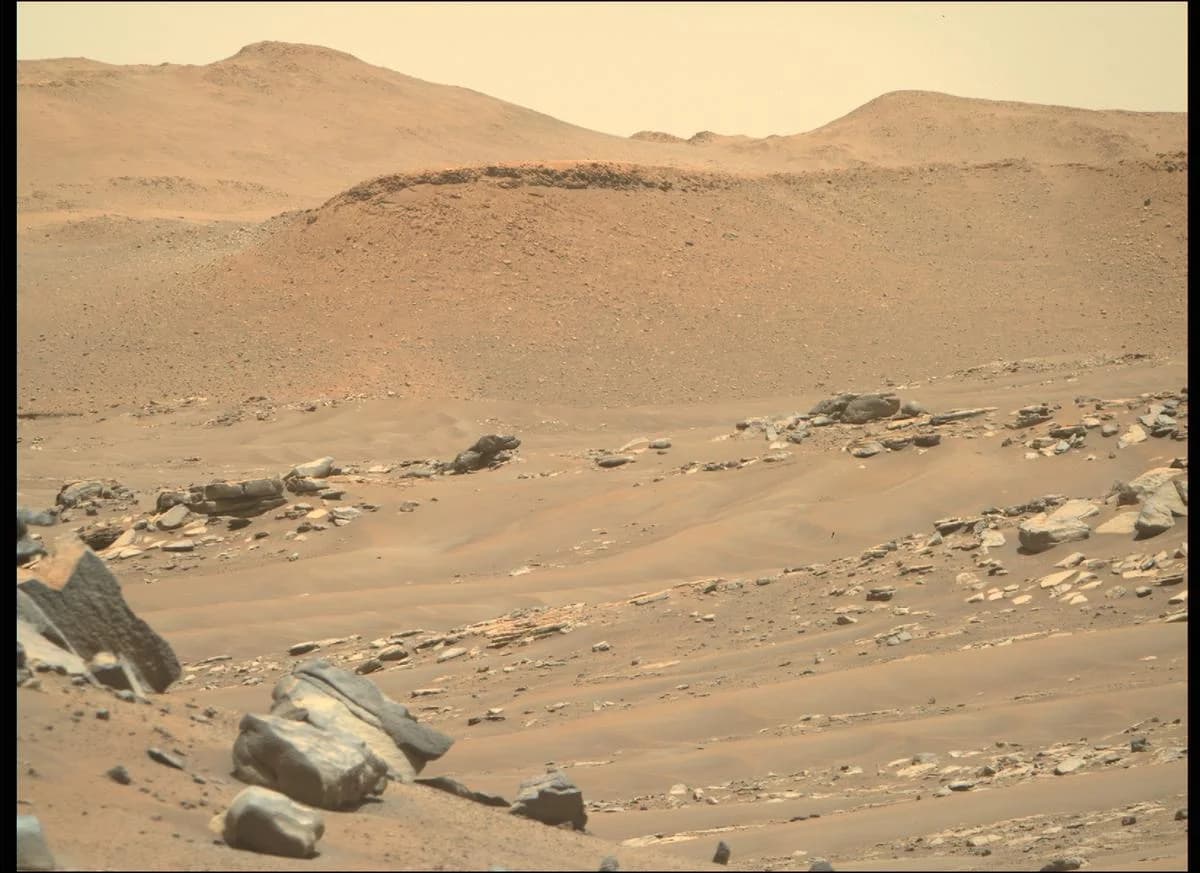
Mars and Deep-Space Environments
Model long-duration cruise, Mars atmosphere and surface conditions, communication delays, radiation, thermal loads, and deep-space operation.
- 07
Collaborative Engineering and Mission Planning
Let teams compare designs, share test results, track changes, and connect hardware decisions to launch, operations, and mission plans.