Test for places
you cannot
reach yet.

Describe hardware you are designing for low Earth orbit. Ground Blue interprets its components and intended purpose, then identifies how the orbital environment could affect whether it works as intended.

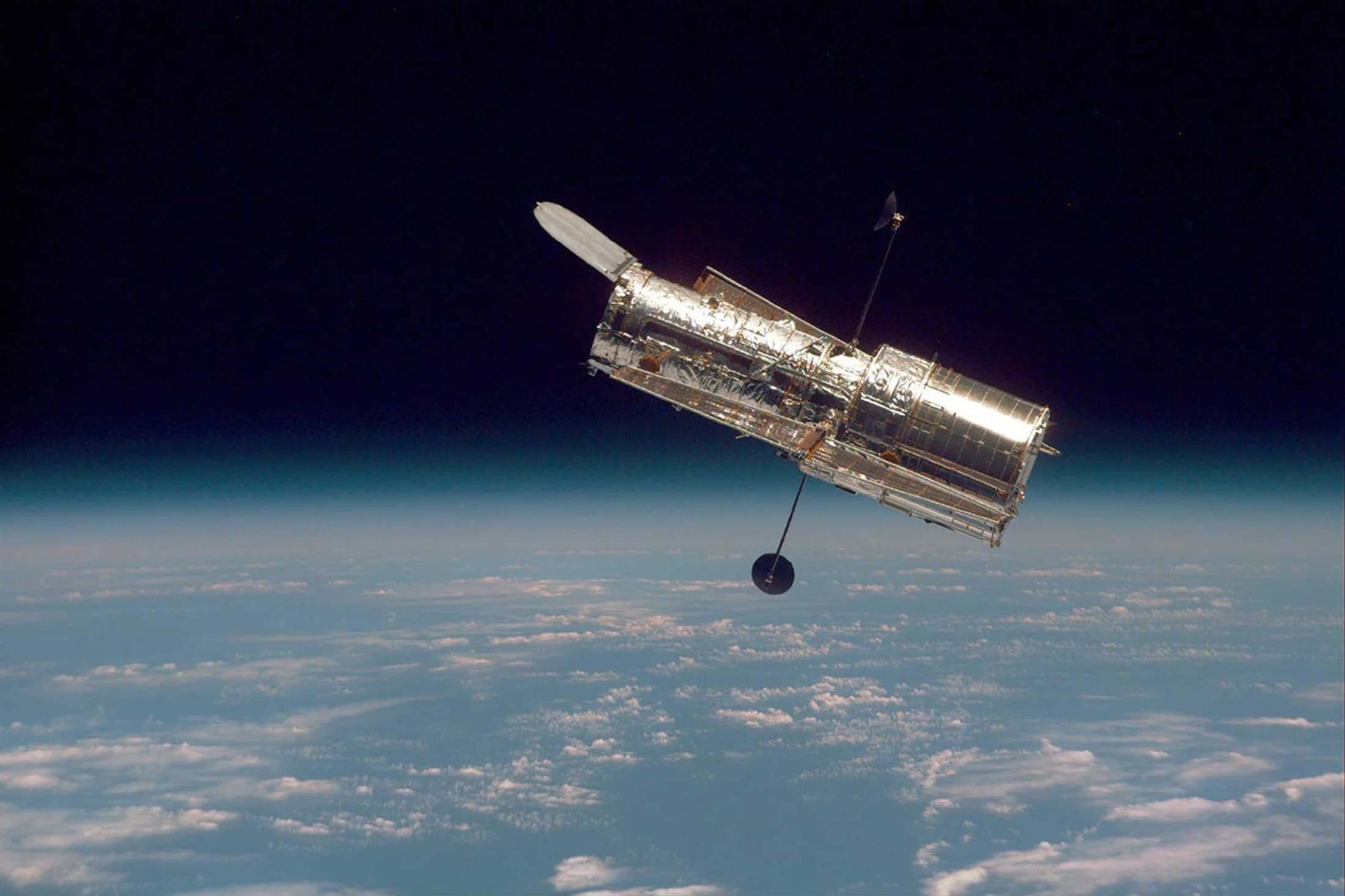
A scientific satellite in low Earth orbit above the curved blue planet
Orbit
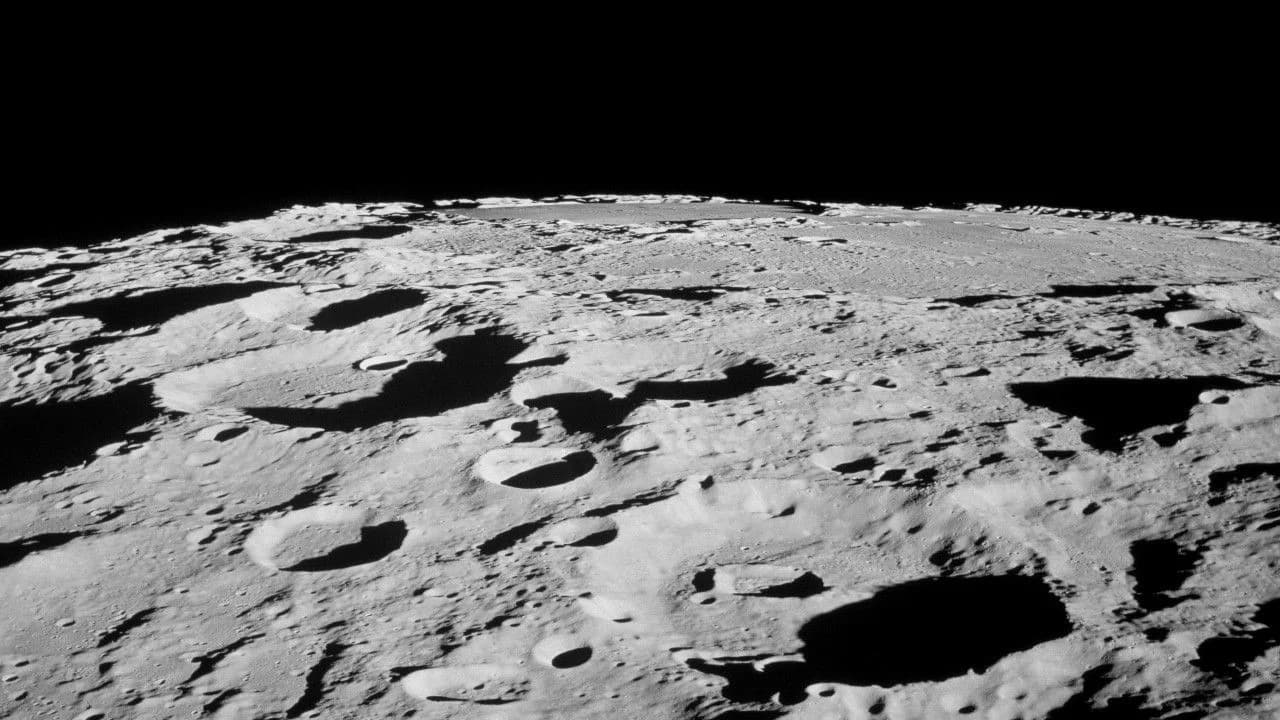
A wide lunar landscape with regolith, rocks, and a low rolling horizon
Moon
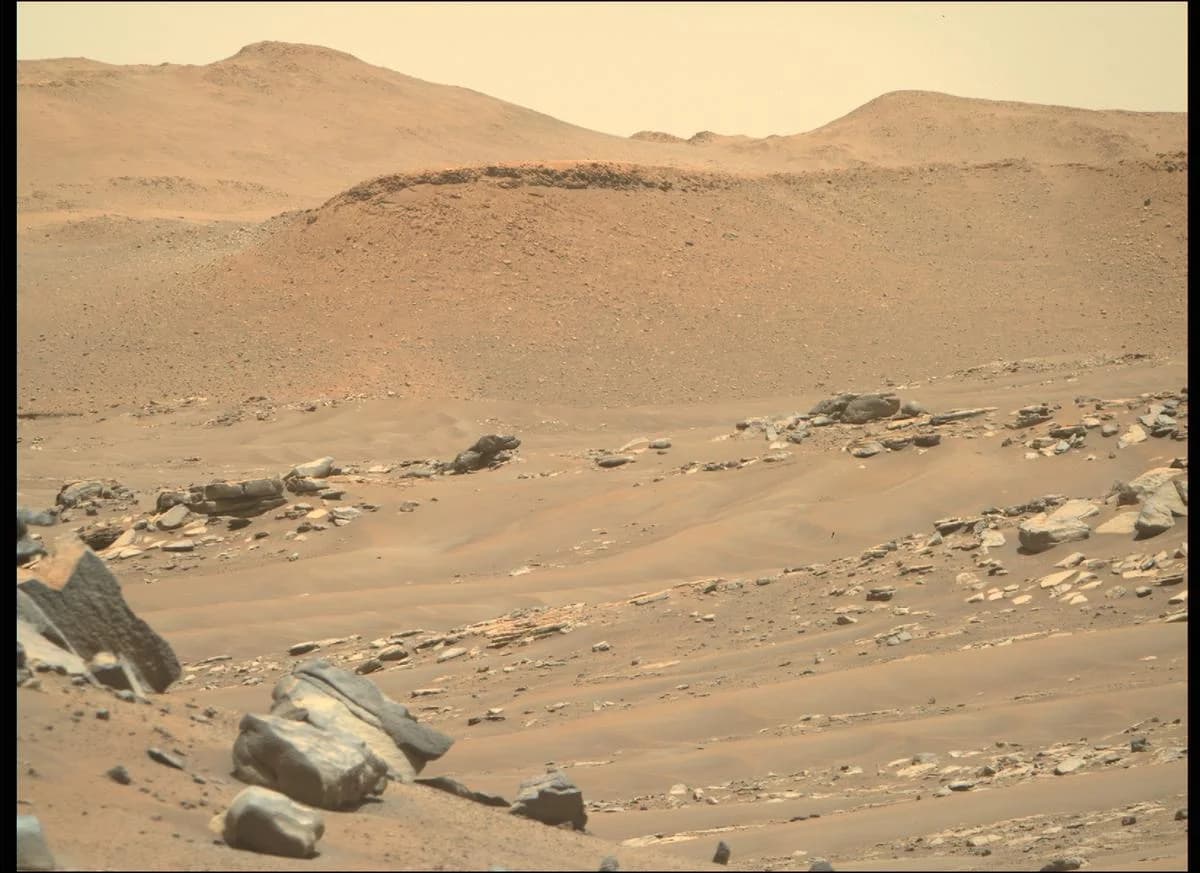
A wide Martian landscape with rust-red rock and distant mesas
Mars
Product

Describe the hardware. See what orbit changes.

Ground Blue reads a plain-English engineering description, resolves what it can support, keeps missing inputs visible, and turns the relevant low Earth orbit conditions into device-specific questions.

New analysis

Describe your device

43% model input coverage
Input statesProvidedInferredAssumedMissing
Device description

A small fluid dispenser designed to release a measured 5 mL amount of water once per day in a 500 km low Earth orbit for six months. It uses an aluminum reservoir, silicone tubing, a peristaltic pump, a solenoid valve, a flow sensor, a Raspberry Pi controller, a Li-ion battery, and an acrylic optical window. The payload is externally mounted, consumes 8 W for five minutes per day, and is not hermetically sealed.

Resolved from this description
  • Aluminum reservoir
  • Silicone tubing
  • Peristaltic pump
  • Raspberry Pi controller
  • Li-ion battery
  • Acrylic optical window
Preliminary verdict

Likely workable with design changes

Small fluid dispenser. The intended function appears physically feasible, but high-severity rule matches could interrupt operation or reduce useful mission output.

01

Top findings

Ranked by qualitative engineering severity, not probability.

  1. 1High
    Fluid behavior changes without buoyancy-driven separation

    Microgravity → bubble position, priming, wetting, and two-phase separation cannot rely on gravity → the loop may ingest gas, lose prime, or deliver unpredictable heat or mass transfer.

    Inferred
  2. 2High
    COTS electronics lack demonstrated mission tolerance

    Radiation → cumulative degradation and transient single-event effects → bit errors, latch-up, or an unexpected reset can cause data loss.

    Assumed
  3. 3High
    Volatile material can outgas

    Vacuum → constituents can leave polymers and re-condense elsewhere → deposits on optical or thermal-control surfaces can change transmission or emissivity.

    Inferred
02

Design changes & tests

03

Important missing information

  • Orbit inclination
  • Mission duration
  • Payload mass and mass distribution
LEO environment overview
VacuumThermal cyclingRadiationReduced convectionAtomic oxygenLaunch vibrationMicrogravityCommunications

This preview uses the terminology and result structure of the working Ground Blue MVP. It does not represent a proven physical simulation, certification, or validation.

Try Ground Blue
Capabilities

What Ground Blue can do today

The software is an engineering screen for hardware being designed for low Earth orbit. Physical testing and validation remain separate stages.

01

Current MVP

  • Accepts a plain-English description of hardware designed for low Earth orbit
  • Interprets the device’s likely components and intended purpose
  • Identifies relevant orbital environmental effects
  • Produces device-specific risks, assumptions, affected behaviours, and testable questions
02

In development

  • Better physics-based models
  • Source citations
  • Clearer uncertainty reporting
  • Structured experiment and validation plans
03

Long-term direction

  • Earth-based analogue testing
  • Physical validation of predictions
  • Comparing predictions against results from real space missions
About Ground Blue

Space engineering should begin before access to space.

I started thinking about Ground Blue during an astronomy unit in physics class. Astronomy was the topic I was most excited about, but unlike the other units, there was no hands-on engineering project. That made me wonder how a student could design something useful for space without already having access to a rocket, a space station, or a specialized laboratory.

Ground Blue began as an attempt to make space engineering accessible before someone has access to space.

The evidence behind the screen.

Each note traces a technical source to an engineering consequence, while keeping established findings separate from Ground Blue’s own assumptions.

02

Why gravity changes fluid-system design

Gravity does more than make liquids fall. It changes which forces dominate, how phases separate, and whether familiar Earth hardware still behaves as expected.

Fluid physics7 min read